

HEAL 2026
Time to Listen, Learn and Act for Lasting Impact on Healthy Environments and Lives
Join us for the 6th annual international conference from the 2nd – 5th November 2026
On this page
A message from the Co-Chairs
Co-Chairs: Sotiris Vardoulakis and Dr Aunty Mara West
The 6th International HEAL 2026 conference themed: Time to Listen, Learn and Act for Lasting Impact on Healthy Environments and Lives is a four-day hy. brid conference exploring the urgent health, climate, and environmental challenges facing Australia, the Asia-Pacific region, and the world.
….
HEAL 2026 is the flagship annual event of the Healthy Environments And Lives (HEAL) National Research Network funded by the NHMRC Special Initiative in Human Health and Environmental Change. HEAL strives to increase sustainability and reduce our carbon footprint as part of our commitment to improving the health of all people and the environment, and the HEAL 2026 Conference has been designed to reflect this ethos. The hybrid format of the conference, with full online coverage and regional in-person sessions in all Australian states and territories, aims to stimulate interaction and minimise travel, energy use and waste.
From 2–5 November 2026, the conference will showcase how the HEAL National Research Network and other groups are shaping innovative research to support Australia’s National Health and Climate Strategy, national and regional decarbonisation and adaptation plans in Australia and the Asia-Pacific, and the UN Sustainable Development Goals, with strong commitment to elevating First Nations and grassroots leadership. Building on last year’s success, the conference brings together leading voices from Australia and internationally to spotlight community-led responses to environmental change.
HEAL 2026 will feature inspiring case studies, cutting-edge science, and policy-focused dialogue on adaptation, community resilience to climate extremes and environmental degradation, mental health and One Health.
The hybrid conference will be delivered in-person at eight regional hubs across Australia on 2nd November 2026, and online nationally and internationally on 3rd, 4th and 5th November 2026. HEAL 2026 offers multiple ways to connect, collaborate, and drive action for a healthier, climate-resilient future.
We look forward to welcoming you to HEAL 2026!

1000+
Anticipated Participants

250+
Speakers

45+
Countries

60+
Anticipated e-Poster Submissions

60+
Sessions
Registration to HEAL 2026 is free of charge!
- Connect with leading researchers, First Nations leaders, policymakers, and community advocates.
- Explore innovative responses to climate change, biosecurity, and health equity across Australia and the Asia-Pacific.
- Shape national and regional strategies aligned with Australia’s Health and Climate Strategy and the UN SDGs.
- Engage online from anywhere on 3rd, 4th and 5th November 2026, minimising carbon footprint, in line with HEAL’s commitment to sustainable conferencing.
Whether you’re a scientist, student, practitioner, or community leader, HEAL 2026 is where collaboration meets impact.
HEAL 2026
Monday 2 Nov –Various times – In-person & online, regional HUB Events. See Regional HUB Sessions below for details.
| Tuesday 3 Nov (Virtual) 12:00-17:30 AEDT Global South | Wednesday 4 Nov (Virtual) 12:00-17:30 AEDT National Plenary Session Chair: Prof Sotiris Vardoulakis | Thursday 5 Nov (Virtual) 12:00-17:30 AEDT National Plenary Session Chair: Aunty Mara West |
| Welcome & Opening 12:00 AEDT Opening: Dr Sandro Demaio, Director and Head of WHO ACE | Welcome & Opening: 12:00 AEDT Opening: Hon Bill Shorten, University of Canberra Vice-Chancellor Opening: Assistant Minister Rebecca White | Welcome & Opening 12:00 AEDT Opening: Dr Maria Neria |
| Session 1: 12:15 AEDT Wildfire, Smoke and Health: Protecting Communities in a Changing Climate | Session 1: 12:40 AEDT Centered on Indigenous Knowledges and their impact in addressing climate change and its impact on health | Session 1: 12:30 AEDT Climate and health adaptation in practice, from the national to the local |
| Session 2: 13:15 AEDT Keynote Presentations | Session 2: 13:40 AEDT National Healthy Air Strategy | Session 2: 13:30 AEDT El-Nino and its impact on the environment and lives |
| Multiple Thematic Breakout Sessions (see options below) 15:00 AEDT | Multiple Thematic Breakout Sessions (see options below) 14:45 AEDT | |
| Session 3: 13:45 AEDT Heat, Air and Adaptation: Community-led Responses Across the Global South and Australia | Session 3: 16:30 AEDT Powering Health: Clean Energy and Climate Solutions for a Healthy Future | Closing Ceremony 16:15 AEDT Conference Awards |

Sotiris Vardoulakis
Professor and Director

Mara West
Professor and Director

Veronica Matthews
Health Systems Researcher

Payi Linda Ford
Professor

Fay Johnston
Professor

Nigel Goodman
Senior Research Fellow

Plum Stone
CEO and Founder

Mark Howden
Emeritus Professor and Vice Chair

Jon Swain
Founder and Director
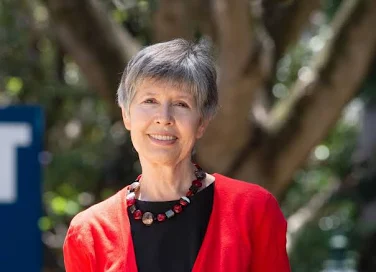
Lidia Morawska
Distinguished Professor

Rebecca Haddock
Director Public Affairs and Policy

Robert Argent
Chief Scientist

Kimberly Humphrey
Senior Emergency Medicine Specialist

Mandy Freund
Lecturer

David Karoly
Emeritus Professor

Wei Huang
Professor

Josselyn Mothe
WHO Asia

Ying Zhang
Lecturer

Sharon Campbell
Postdoctoral Research Fellow

Ritika Kapoor
Consultant Paediatric Endocrinologist

Rachel Davey
Professor

Aakansha Priyadarshini
Co-Founder & CEO, Aurassure

Salmon Jacob
Lecturer

Chee Anne Roño
Environment Specialist

Rosemary Aldrich
Public Health Physician

Prarthana Borah
Fellow

Maria Neira
Senior Fellow

Jacki Schirmer
Director

Georgia Behrens
Assistant Director

Kate Wylie
General Practitioner (GP)

Sandro Demaio
Director

Annabelle Workman
Senior Research Fellow
Wednesday 4 November 2026 (15:00 AEDT)
- Aboriginal and Torres Strait Islander health and knowledge translation for building resilience to environmental change
Presentations will highlight the importance of supporting Indigenous community researchers and leaders, caring for Country through Indigenous stewardship practices, responding to climate-related health impacts, and co-designing locally driven resilience initiatives. - At-risk populations, early life effects and life-course solutions
In this session we will hear from seven speakers on two key themes. The first presents evidence quantifying exposure-health relationships. The second turns to adaptation, preparedness and service systems. - Health impacts of bushfires, air pollution and extreme events
This session will explore the health impacts of climate-related environmental exposures, including wildfire smoke, air pollution, haze events, and extreme heat. - Food, soil and water safety and security in a changing environment
This session explores the interconnected challenges of food, soil and water security in a changing environment, bringing together research on resilient food systems, climate adaptation, environmental exposures and public health. - Biosecurity, and emerging infections in the context of environmental change
This session focuses on climate-sensitive infectious diseases (CSIDs), bringing together presenters to share the latest research from Australia and around the world. - Urban health, built environment and nature-based solutions
In this session we will hear from eight speakers working across urban health, built environment and nature-based solutions. This year’s presentations explore urban heating and cooling, green and blue spaces, indoor air quality and urban allergens.
Thursday 5 November 2026 (14:45 AEDT)
- Rural and remote health and climate-related disasters
Rural and remote communities are among the most exposed to the health impacts of extreme weather. This session will explore how geographic isolation, limited infrastructure, and existing health inequities in rural and remote locations intersect with climate risks to create unique challenges and opportunities for action. - Health systems sustainability and resilience to climate change
This session explores how health systems in Australia and beyond can respond to environmental, operational and policy challenges of climate change - Data and decision support systems for environmental health applications
This session showcases data platforms, analytical tools and decision-support systems that translate environmental health evidence into action. - Science communication, policy translation and impact
This session will examine how different forms of knowledge can support healthier, more resilient societies. - Climate change and mental health and wellbeing
Climate change is increasingly affecting mental health through extreme heat, disasters, environmental change and concerns about the future. This session brings together researchers and mental health experts to examine emerging evidence, vulnerable populations and adaptation opportunities.
Prizes will be awarded to:
- Best Aboriginal and Torres Strait Islander Project
- Best EMCR Oral Presentation
- Best EMCR e-Poster Presentation
Regional HUB Sessions
ACT
Date: Monday, 2 Nov 2026
Time: 9:30-13:00 AEDT
Location: Ainslie Arts Centre, Braddon
VIC
Date: Friday, 27 Oct 2026
Time: 12:00-17:00 AEDT
Location: Multiple venues
WA
Date: Thursday, 29 Oct 2026
Time: 9:00-10:30 AWST
Location: Online (Teams)
NT
Date: Mon, 2 Nov 2026
Time: 13:00-14:30 ACST
Location: Online (teams)
NSW
Date: Tuesday, 3 Nov 2026
Time: 10:00-16:30 AEDT
Location: Medical Foundation Building, University of Sydney
QLD
Date: Mon, 2 Nov 2026
Time: 11:20-16:30 AEST
Location: Griffith University, Southbank Campus
TAS
Date: 20-22 Oct 2026
Time: Various times
Location: Online and in-person (Hobart)
SA
Date: Mon, 2 Nov 2026
Time: 9:00-12:30 ACDT
Location: Adelaide University
Communication Toolkit
Together, we can amplify the impact of the HEAL Conference. Use the HEAL Conference Toolkit and branded assets to share conference news and promote the event across your channels.


For Presenters

HEAL Sustainability Statement
HEAL strives to increase sustainability and reduce our carbon footprint as part of our commitment to improving the health of all people and the environment, and the HEAL 2026 Conference has been designed to reflect this ethos. The hybrid format of the conference, with full online coverage and regional in-person sessions in all Australian states and territories, aims to stimulate interaction and minimise travel, energy use and waste. Information and tips on how to reduce the carbon footprint of your participation in the conference can be found in the HEAL 2026 Sustainability Statement.
Conference Partners
